
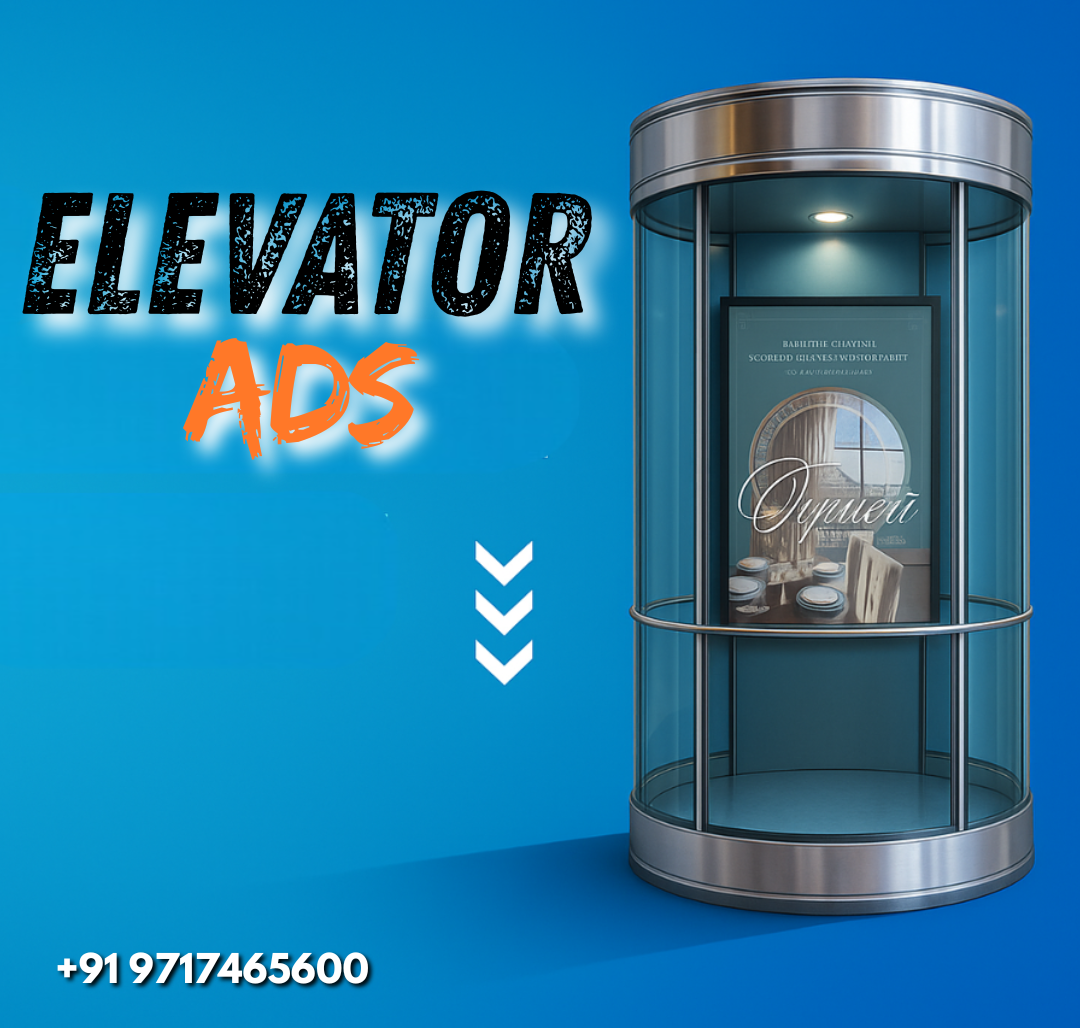
When you step into an elevator, those few seconds can feel long — but for smart advertisers, that’s prime real estate. In 2025, elevator ads are evolving from static posters to dynamic micro-moments of brand engagement. At Litoust India, we believe the future of elevator advertising lies in intelligence, relevance, and seamless design.
Why invest in elevator ads today? Because in an environment of constant distraction, the enclosed space of an elevator gives brands a captive audience. And when done right, that tiny moment can make a big impact.
The Changing Landscape of Elevator Advertising
The elevator advertising market is gaining serious momentum. In fact, the global elevator advertisement sector is expanding thanks to urbanization, rising incomes, and technological integration.
In India particularly, the rise of smart buildings, co-working spaces, residential towers, and commercial complexes is opening up new vertical (literally) advertising zones. The adoption of digital signage, mini screens inside cabins, and dynamic media walls is transforming what was once a “dead zone” into a high-value ad channel.
Meanwhile, the broader digital signage industry in India is booming — driven by demand for dynamic, interactive, and data-driven displays.
These trends set the stage for elevator advertising’s next leap: smart campaigns that adapt in real time, speak to audiences directly, and elevate brand memory — even during a 30-second ride.
What Makes 2025 Different: Trends in Elevator Ads
1. Dynamic & Personalized Content: Gone are the days of fixed posters. With AI and analytics, elevator ads can now adapt content based on time of day, building type, or demographic patterns. For example, in a mixed-use high rise, daytime ads might promote lunch deals near office locations, while evenings shift to services for residents.
2. Integration with Building Systems: Modern elevator advertising systems are no longer islands. They're syncing with building management systems (BMS), fire/evacuation alerts, internal announcements, and interactive directories. This makes the installation less of an “add-on” and more of a core facility element.
3. Smarter Displays, Less Power: Display technology is advancing fast. In 2025, energy-efficient panels, micro-LEDs, and low-power backlighting make it feasible to run these ads continuously without huge power draws.
4. High Engagement Through Micro-Content: Because elevator rides are short, ads must be micro, short loops, ultra-clear visuals, QR codes, or interactive elements. Think 6–10 second bursts, with transitions timed to door opening.
5. Monetization Models & Ad Networks: Elevator ad networks are building programmatic platforms, allowing brands to buy slots dynamically. Property owners get a revenue share, and advertisers get flexible reach to vertical segments like premium offices or luxury residences.
Best Practices for Brands & Planners
To maximize elevator ad effectiveness in 2025, smart brands and property owners follow best practices:
- Understand dwell time & view angle: Measure how long people stay and where their eyes are most likely to land; eye-level screens, side walls, and door panels all matter.
- Short, high-impact creative: Keep messages concise (text, visuals, and motion), and use high contrast.
- Loop length & scheduling: Rotate ads frequently and avoid long, static spots. Time content to building traffic peaks.
- Use data analytics: Track impressions and conversions (QR scans and coupon codes), and tweak content accordingly.
- Maintain hardware & content freshness: Prevent screen failures, maintain brightness, clean displays, and refresh creatives periodically.
- Compliance & safety: Ensure no ad interferes with emergency instructions or safety signage in cabins.
When done right, Lift branding can generate recall rates notably higher than many other indoor formats.
Market Insights: India in 2025
- The branding lift segment is expected to see sustained growth in India, especially in metros where high-rise construction is booming.
- Commercial elevator media globally is projected to scale rapidly, with CAGR estimates in the double digits.
- As smart buildings expand, elevator ad systems are becoming part of integrated digital building ecosystems - not stand-alone add-ons.
- Brands targeting local audiences (residents, employees, visitors) increasingly prefer micro-targeted elevator campaigns over broad media buys.
For Litoust India, these developments align with our mission: helping brands reach attention in unexpected places, while property owners monetize unused ad space elegantly.
Wrapping Up
Elevator ads in 2025 aren’t just about sticking posters inside a lift. They’re evolving into smart, adaptive, revenue-generating media channels that meet captive audiences where they least expect it. By blending creative brevity, data insights, and hardware excellence, brands can transform seconds into memorable impressions.
If you’re ready to elevate your brand’s reach—literally, let Litoust India architect smart elevator ad campaigns that captivate, convert, and resonate. Get in touch with us to explore full elevator media solutions tailored to your audience and goals.
Questions & Answers
Everything you need to know about this campaign strategy, media placement options, and execution timelines.