

Litoust India as discussed has been in the Indian market for the past 8+ years and we have gone from success to success in this short period of time. We do Marketing and PR for our clients, but we work with the responsibility of being their business partners.

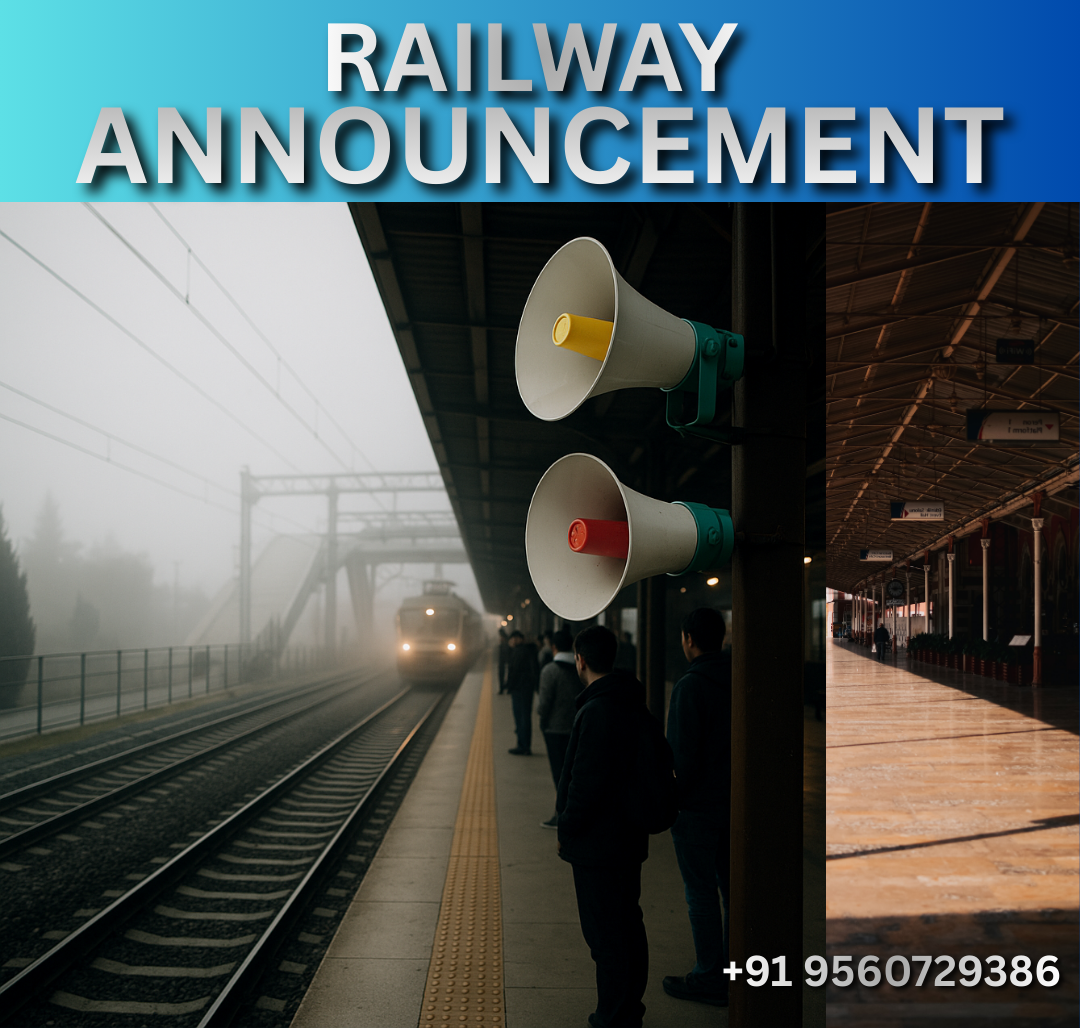
In the dynamic world of marketing, businesses are always looking for high-impact, cost-effective ways to reach audiences. While digital platforms dominate conversations, outdoor advertising remains one of the most powerful channels for brand visibility — and nowhere is this more evident than in Indian railway advertising. With millions of passengers traveling daily across the country, railway stations, trains, and platforms have become prime real estate for marketers looking to make a lasting impression.
As we step into 2025, the potential of railway advertising is only increasing. From modern stations to upgraded train interiors and digital displays, the Indian Railways ecosystem offers unmatched reach and engagement, making it a cornerstone of outdoor marketing strategies.
Indian Railways is not just a transportation system — it’s a cultural and commercial lifeline. With over 23 million passengers traveling daily, the railway network spans urban centers, industrial hubs, and rural areas, ensuring brands reach diverse demographics.
Unlike other forms of outdoor advertising, railway ads are highly immersive and unavoidable. Commuters spend significant time waiting for trains or traveling, providing advertisers with a captive audience that is more likely to notice and remember messaging.
Additionally, railway advertising is versatile — from platform banners and station hoardings to train wraps, digital screens, and onboard panels. This variety allows brands to create campaigns that are both creative and targeted.
The marketing landscape in 2025 is shaped by three major trends: audience fragmentation, increasing digital fatigue, and the demand for authentic experiences. Indian railway advertising uniquely addresses all three:
Moreover, with Indian Railways modernizing stations under the ‘Amrit Bharat Station Scheme,’ advertisers can leverage upgraded infrastructure, modern digital displays, and premium lounges to craft high-impact campaigns.
Railway advertising comes in multiple formats, each offering unique advantages for marketers:
Each format allows brands to combine creativity with reach, delivering both awareness and conversions.
Industry Trends and Innovations in 2025
Railway advertising in 2025 is evolving with technology and audience insights. Some trends shaping the sector include:
These innovations make railway advertising not only eye-catching but also measurable, allowing brands to track engagement and fine-tune their strategies.
Best Practices for Effective Railway Advertising
To maximize results from railway campaigns, brands and agencies should follow some key best practices:
Agencies like Litoust India specialize in executing end-to-end railway advertising campaigns, from creative design to placement and monitoring, ensuring every ad reaches its maximum potential.
Market Insights for 2025
The outdoor advertising sector in India is expected to grow at over 15% annually, with railway advertising becoming a major contributor. Modernization of stations, growth of suburban and intercity rail travel, and increased brand spending on high-visibility campaigns are driving demand.
For businesses, railway advertising offers:
With urban mobility and rail modernization programs accelerating in 2025, railway advertising is poised to become a key pillar of outdoor marketing strategy.
Indian railway advertising is not just another outdoor medium—it’s a strategic platform for brand visibility, engagement, and recall. With its massive reach, captive audience, and evolving formats, railway advertising is ideally positioned to drive measurable impact for marketers in 2025.
Brands looking to stand out in a crowded marketing ecosystem should leverage railway campaigns as part of a holistic, multi-channel strategy. With expert agencies like Litoust India guiding placements, creative design, and optimization, businesses can harness the full potential of railway advertising, turning every station, platform, and train into a brand-building opportunity.
Indian Railway Advertising means promoting brands through spaces on trains, stations, and platforms. It includes hoardings, train wraps, digital screens, and on-board panels that reach millions of daily passengers across India.
With modernized stations, digital displays, and massive daily footfall, railway advertising offers high visibility and engagement. It’s cost-effective, impactful, and ideal for reaching diverse audiences in 2025.
Common formats include platform hoardings, train wraps, digital screens, onboard branding, and activation zones. Each offers unique visibility and creative flexibility for brands.
Railway advertising provides stronger brand recall because it targets a captive audience. While digital ads can be skipped, railway ads stay in view for longer and reach both urban and rural audiences at once.
Brands can partner with specialized agencies like Litoust India, which handle the entire process — from creative design and permissions to placement and monitoring — ensuring smooth execution and maximum impact.