

Litoust India as discussed has been in the Indian market for the past 8+ years and we have gone from success to success in this short period of time. We do Marketing and PR for our clients, but we work with the responsibility of being their business partners.

2025 is already history. Some businesses only tested outdoor advertising last year, while the smarter ones are asking a bigger question now:
“How do we grow faster and smarter in 2026?”
The answer lies in bus marketing.
With buses carrying millions of commuters daily, bus advertising in 2026 is no longer just another option—it’s a must-have growth strategy. Your competitors are already wrapping buses, adding QR codes, and building recall among thousands of people every single day. Why wait and risk being forgotten when you could be leading the conversation on the streets?
Electric and CNG buses are being rolled out across metros and Tier-2 cities. This means more ad space, greener branding, and higher acceptance among eco-conscious consumers.
TV, print, and digital ads are becoming more expensive while attention spans shrink. Bus branding gives longer visibility at a fraction of the cost.
People spend more time on the road—whether traveling to work, shopping, or leisure. That’s more minutes every day for your message to sink in.
Smaller cities like Jaipur, Lucknow, and Indore are booming in 2026. Buses there give you localized impact at scale, helping you dominate high-potential markets.
Bottom line: If you’re still waiting, you’re already behind.
1. Full-Wrap Campaigns for City Domination
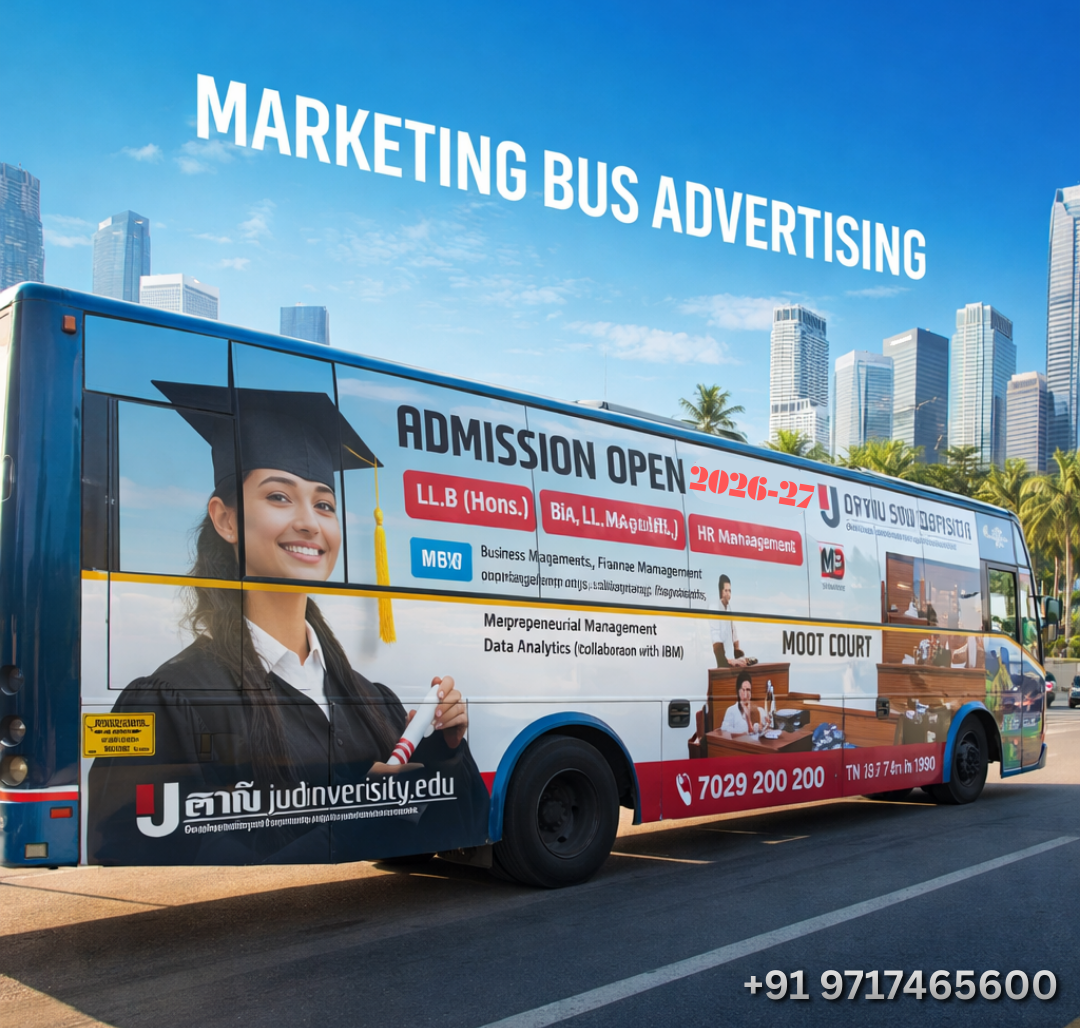
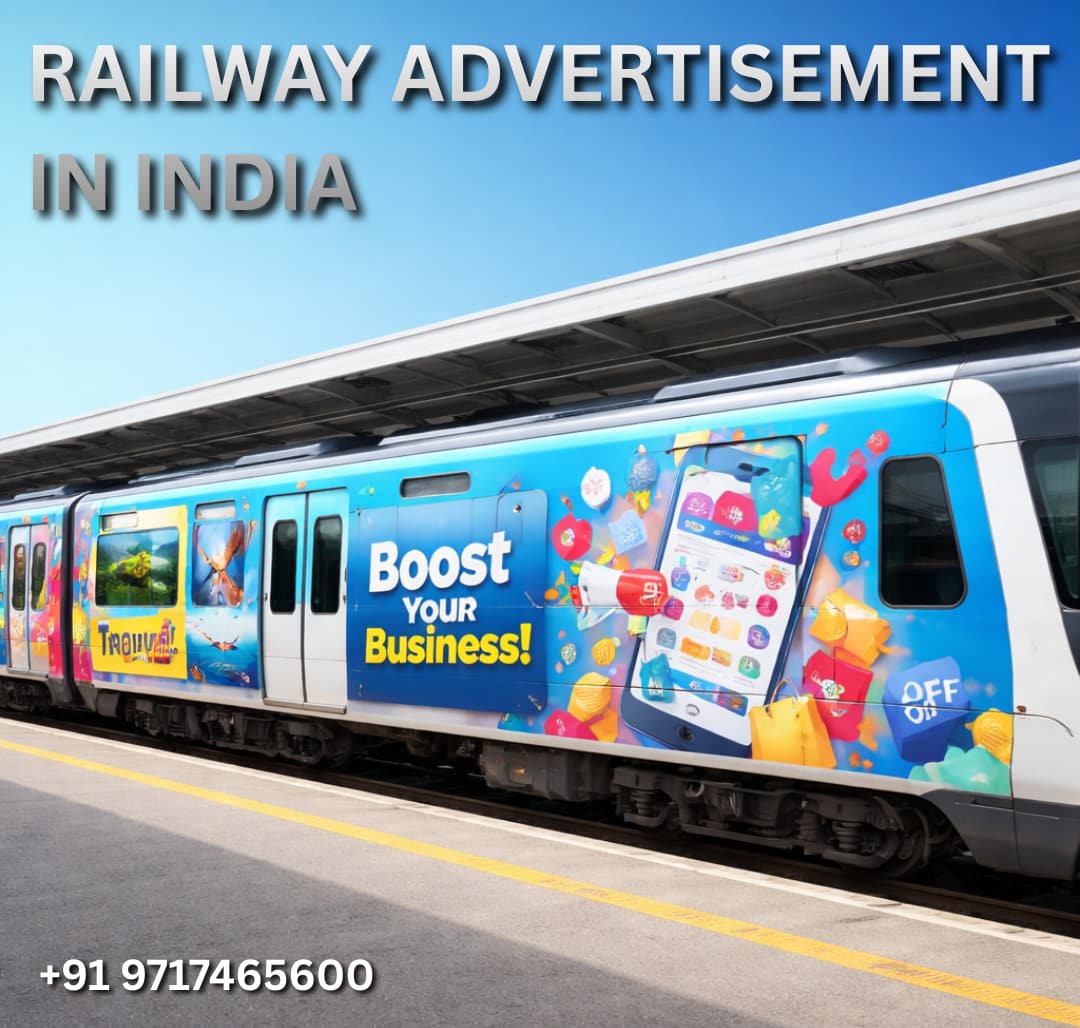
Retailers, FMCG brands, and even edtech companies are investing in full bus wraps to dominate visibility in high-traffic routes. A wrapped bus acts like a moving billboard, creating citywide recognition.
2. Smart QR & NFC Integrations
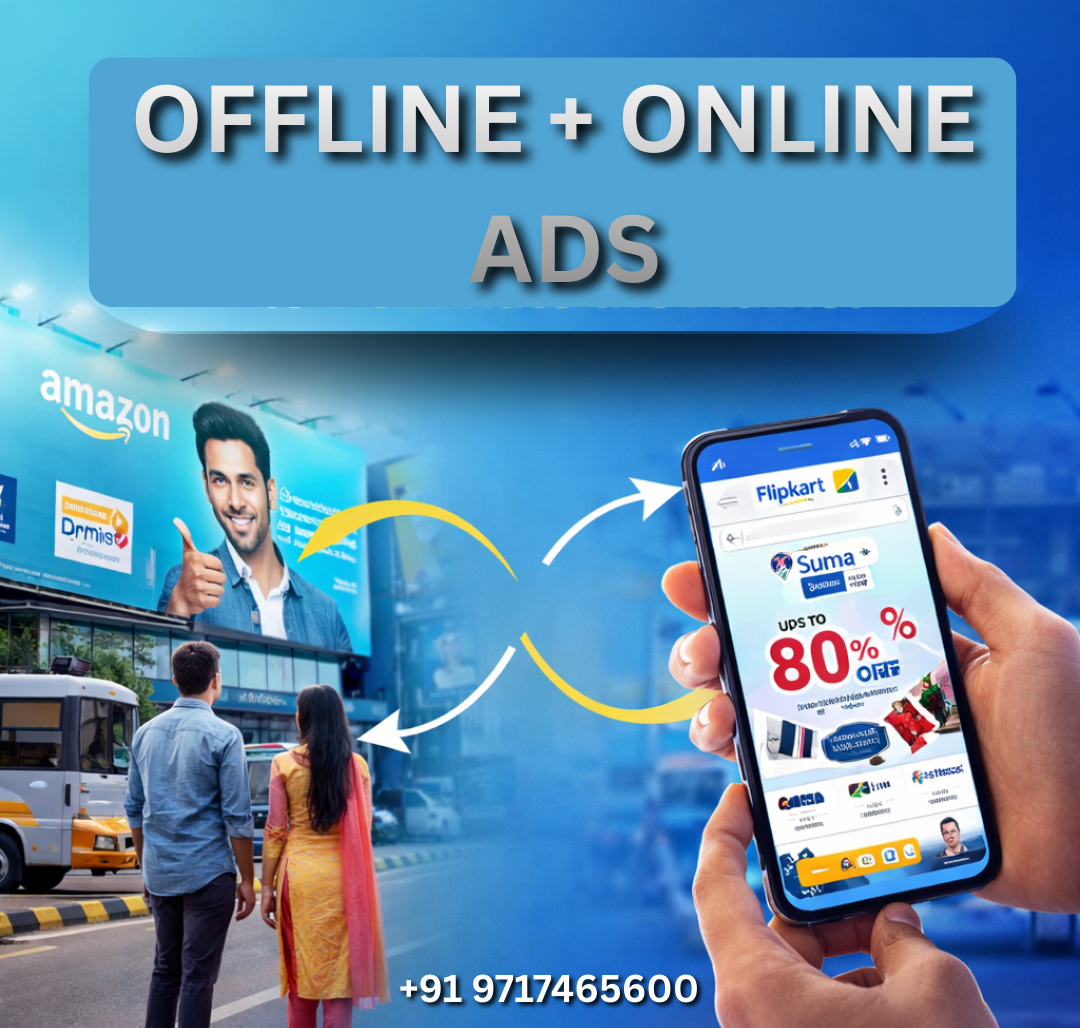
Static ads are out. In 2026, interactive ads with QR codes and NFC tags allow commuters to shop instantly, claim discounts, or download apps—blending offline and online experiences seamlessly.
3. Seasonal & Festival Branding
Festivals remain the strongest trigger for purchases in India. Buses wrapped with Holi splashes, Diwali diyas, or Eid crescents keep brands at the heart of celebrations and cultural conversations.
4. Sustainability Advantage
Running campaigns on electric buses gives businesses an eco-conscious image. Consumers in 2026 respect brands that show responsibility towards the planet.
Imagine your competitor invests in a 3-month bus campaign in 2026. By the time you start planning, their branding has already made its mark:
Advertising rewards early movers, not latecomers. Staying behind doesn’t just mean less visibility—it means handing over trust and attention to your competitors.
A fashion retailer in Delhi partnered with Litoust India for a 20-bus wrap campaign across popular markets and metro routes.
This shows how 2026 bus campaigns don’t just create awareness—they drive real growth.
2026 is not the year to play safe. It’s the year to move ahead, capture visibility, and stay top-of-mind before your competition does.
Bus marketing provides:
At Litoust India, we create high-impact marketing bus campaigns that help brands shine in both metro cities and emerging Tier-2 markets.
The choice is simple: Stay behind or move ahead.
Make 2026 the year your brand grows on the road.
A. Yes. With rising digital clutter, physical visibility stands out even more. Bus ads combine mass reach with daily frequency.
A. It depends on the city, bus type, and duration. On average, it’s more affordable than billboards and TV while offering longer exposure.
A. Absolutely. Routes can be chosen to cover high-footfall markets, residential areas, or premium zones.
A. Through QR code scans, coupon redemptions, and customer surveys, brands get measurable results in weeks.
A. Integration of smart tech (QR, NFC, AR), expansion of electric fleets, and Tier-2 dominance make 2026 a game-changer.