

Litoust India as discussed has been in the Indian market for the past 8+ years and we have gone from success to success in this short period of time. We do Marketing and PR for our clients, but we work with the responsibility of being their business partners.
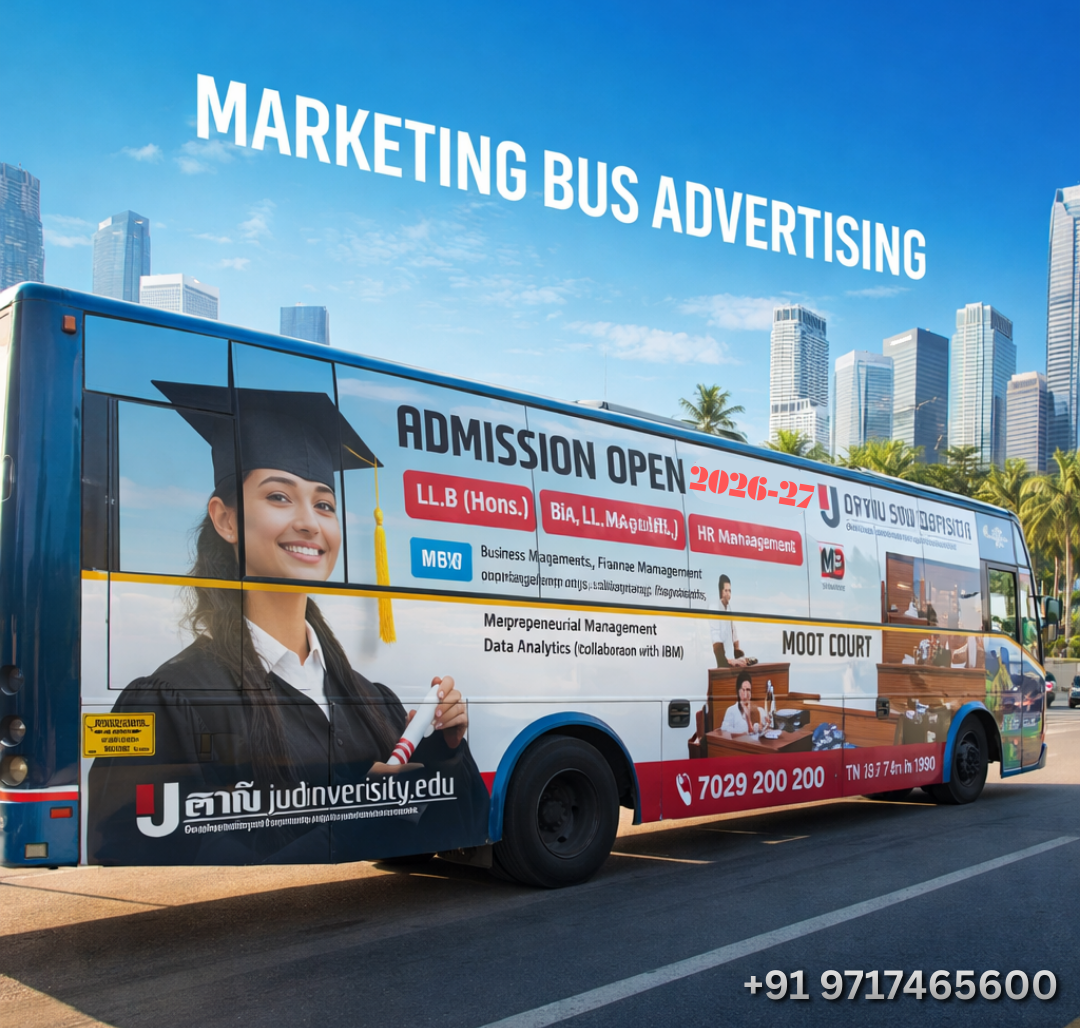
In today’s fast-moving world, brands are constantly searching for smarter ways to stay visible. With audiences skipping TV ads, ignoring newspaper inserts, and scrolling past digital banners, traditional media no longer guarantees attention. This shift has pushed many leading Indian brands to explore more grounded, high-impact options, one of the most effective being marketing bus advertising.
From FMCG giants to real estate developers and education institutes, bus advertising is fast becoming a preferred medium. But why are brands choosing buses over billboards, print, or TV? Let’s explore.
Unlike static hoardings or short-lived newspaper ads, buses are always on the move. They travel through busy markets, residential areas, office hubs, schools, and highways every single day. This constant movement turns buses into mobile billboards that carry brand messages directly to people.
With marketing bus campaigns, brands don’t wait for audiences to come to them, the message reaches consumers wherever they are. This daily exposure builds familiarity, which plays a huge role in brand recall.
One of the biggest reasons top brands are shifting to bus advertising is reach. A single bus can be seen by thousands of people every day - commuters, pedestrians, motorists, and shop owners. Multiply that by multiple routes and cities, and the impact becomes massive.
Compared to television or print campaigns that demand recurring budgets, marketing bus advertising offers long-term visibility without constantly increasing spend. Brands appreciate this balance between cost and consistent exposure, especially in competitive urban markets.
Traditional media often competes for attention. TV ads are skipped, newspapers are skimmed, and online ads are blocked. Bus advertising, however, exists in real-world spaces where people are already alert, at traffic signals, bus stops, crossings, and marketplaces.
Large-format creatives on buses are hard to miss. Their size, motion, and placement make them visually powerful. This is why brands that want visibility without digital clutter increasingly choose marketing bus solutions.
Many brands don’t want nationwide visibility—they want the right visibility. Bus advertising allows precise geographic targeting. A brand launching a new outlet, coaching center, or housing project can advertise only in relevant localities.
This level of control makes marketing bus campaigns especially popular among retail brands, hospitals, educational institutions, and political campaigns. It’s direct, focused, and practical.
Offline advertising still holds a strong emotional advantage. People tend to trust brands they see in public spaces more than online ads. A well-designed bus ad creates a sense of scale and credibility.
When consumers repeatedly see a brand moving through their city, it signals stability and presence. This is one reason established brands continue investing in marketing bus advertising even as digital channels grow.
Executing a successful bus advertising campaign requires planning, compliance, creative execution, and route strategy. This is where Litoust India stands out.
Litoust India helps brands design and execute end-to-end marketing bus campaigns, from choosing the right routes and formats to handling permissions and creative execution. Their experience in transit media ensures campaigns don’t just look good but deliver measurable visibility.
By focusing on strategic placement and city-specific planning, Litoust India helps brands turn everyday buses into powerful brand carriers.
While traditional media still has its place, brands are becoming more selective. Rising costs, limited engagement, and declining attention spans have reduced the effectiveness of print and TV for many campaigns.
On the other hand, marketing bus advertising offers:
This combination makes bus advertising a smarter choice for brands that want consistent presence rather than short-term impressions.
As Indian cities grow and commute times increase, bus advertising will only become more relevant. With better creative designs and strategic planning, brands can turn city transport into a powerful storytelling platform.
For companies looking to break free from overcrowded traditional media, marketing bus advertising offers a refreshing, effective, and trusted alternative, especially when executed by experienced agencies like Litoust India.
In marketing, a bus is used as a moving advertising platform. Brands place their messages on buses so they can travel across different parts of a city, reaching people in residential areas, marketplaces, offices, and busy roads every day.
Bus ads are commonly known as bus advertising or transit advertising. They may also be called bus branding when the design covers a large portion of the bus exterior or interior.
The four main types of advertising are print advertising, broadcast advertising, digital advertising, and outdoor advertising. Bus advertising falls under outdoor advertising because it reaches people in public spaces.
People are exposed to thousands of brand messages daily through social media, websites, packaging, outdoor ads, and apps. While the exact number varies, most of these ads go unnoticed, and only a few make a lasting impression.
The rule of 7 suggests that a person needs to see or hear a brand message multiple times—often around seven—before they recognize the brand or feel ready to take action.