

Litoust India as discussed has been in the Indian market for the past 8+ years and we have gone from success to success in this short period of time. We do Marketing and PR for our clients, but we work with the responsibility of being their business partners.

In today’s competitive market, standing out requires more than just conventional advertising. Brands are increasingly turning to out-of-home marketing, and one innovative strategy that has gained traction in 2025 is the branding bus. A mobile billboard on wheels, a branding bus can bring your message directly to high-traffic areas, events, and city hotspots — creating maximum visibility while leaving a lasting impression.
But how exactly does a branding bus work, what are its benefits, and how can businesses leverage it effectively? Let’s dive in.
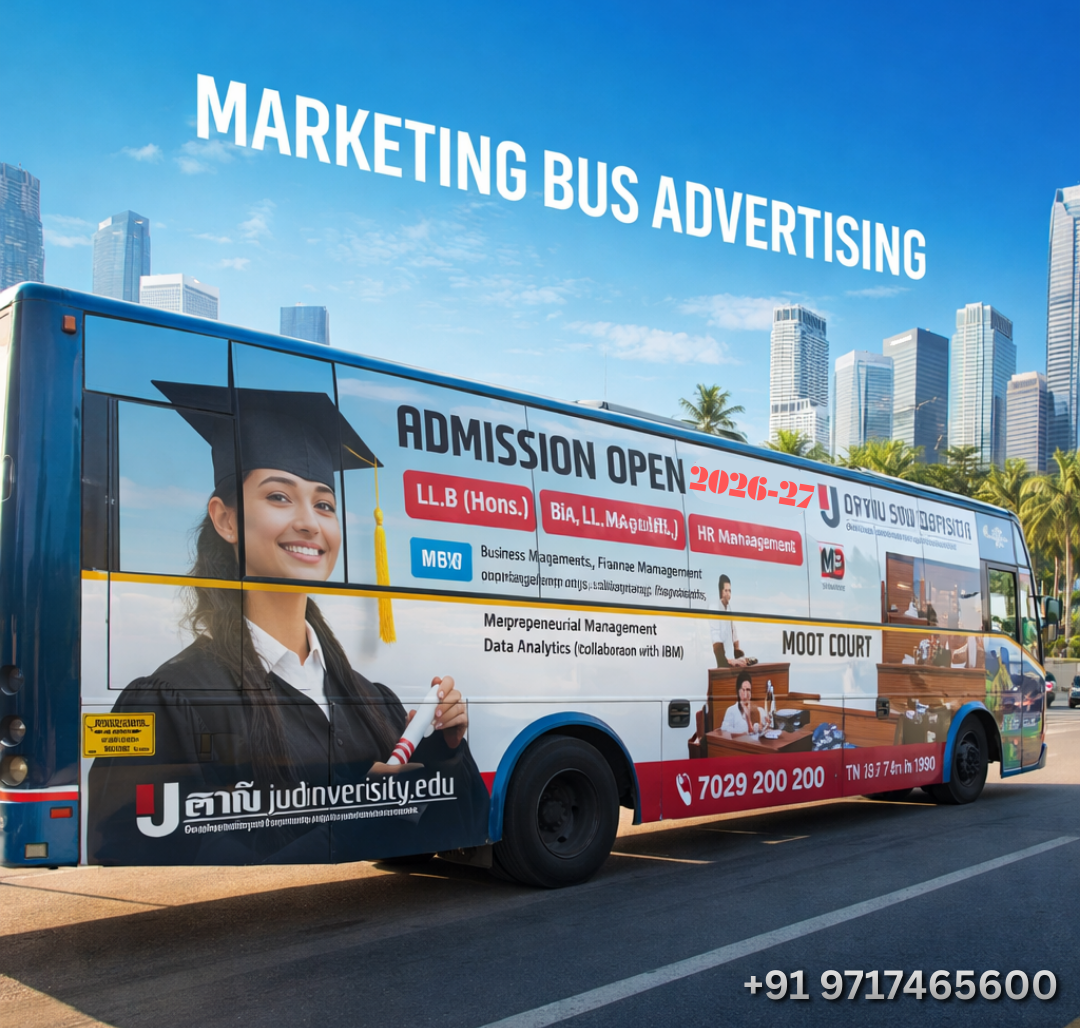
A branding bus is a vehicle wrapped or designed with creative visuals, company logos, taglines, and promotional messages. Some branding buses are simple vinyl wraps, while others feature LED screens, interactive QR codes, or even augmented reality elements to engage audiences directly.
Unlike static billboards, branding buses are mobile advertising platforms, moving through target neighborhoods, events, or entire cities. This mobility allows brands to reach a wide, diverse audience multiple times, enhancing brand recall and engagement.
The success of a branding bus campaign depends on strategy, planning, and creativity. Here’s a step-by-step look at how it works:
A branding bus offers several unique advantages compared to traditional advertising:
To maximize impact, consider these tips:
Several brands in India have already leveraged branding buses effectively in 2025:
These examples demonstrate that a well-executed branding bus campaign can create measurable results, combining creativity, mobility, and strategic planning.
The outdoor advertising industry is projected to grow steadily in 2025, with mobile campaigns and experiential marketing taking center stage. Companies like Litoust India are helping brands leverage branding buses as part of a multi-channel marketing strategy, combining mobility with analytics, interactivity, and real-time engagement.
A branding bus is more than just a vehicle; it’s a moving storytelling platform, capable of capturing attention, driving engagement, and enhancing brand recall. By combining creativity, strategy, and modern analytics, businesses in 2025 can use branding buses to stand out in crowded markets and achieve tangible marketing outcomes.
With expert planning, smart design, and proper execution, your brand can turn city streets into a stage, making every mile count.
Ans: Bus branding is a form of outdoor advertising where buses are creatively wrapped with brand visuals, logos, and promotional messages. These moving advertisements travel across high-traffic areas, ensuring your brand is seen by thousands of people daily. Unlike traditional billboards, bus branding offers mobility and repeated exposure in different parts of the city.
Ans: Bus branding works through a combination of strategic planning, creative design, and targeted route mapping. The process includes selecting key city routes, designing the bus wrap, and tracking campaign performance using GPS or analytics. Companies like Litoust India plan these campaigns to ensure your brand reaches the right audience at the right time.
Ans: The cost of bus branding depends on factors like location, campaign duration, bus size, and coverage area (side panels, full wrap, or back panel). On average, bus branding ranges from ?5,000 to ?25,000 per bus per month. Large-scale or metro-city campaigns may cost more but provide exceptional visibility and reach.
Ans: Bus branding offers several key advantages:
Ans: Bus advertising is one of the most effective outdoor marketing strategies today. Studies show that mobile ads like buses generate up to 80% higher brand recall compared to static billboards. Because buses move through busy streets and residential areas, they create consistent, high-frequency visibility for your brand.
Ans: Bus branding focuses on large-scale visibility across city routes, ideal for mass awareness campaigns. Car branding, on the other hand, targets local areas using smaller vehicles like cabs or delivery cars — perfect for hyperlocal marketing. Both can complement each other in a multi-channel advertising plan.
Ans: Most effective campaigns run between 30 to 90 days, depending on the marketing goal. Short-term promotions (like events or product launches) may run for a few weeks, while brand awareness campaigns often extend for several months to build stronger recall.
Ans: Yes, modern bus branding campaigns can be tracked using GPS technology and digital analytics. This helps advertisers monitor routes, impression counts, and engagement data, ensuring accountability and measurable ROI for the campaign.
Ans: Absolutely. Bus branding is one of the most affordable and high-impact advertising mediums for small and mid-sized businesses. It allows them to compete with larger brands by gaining visibility across major city routes without spending heavily on TV or digital media.