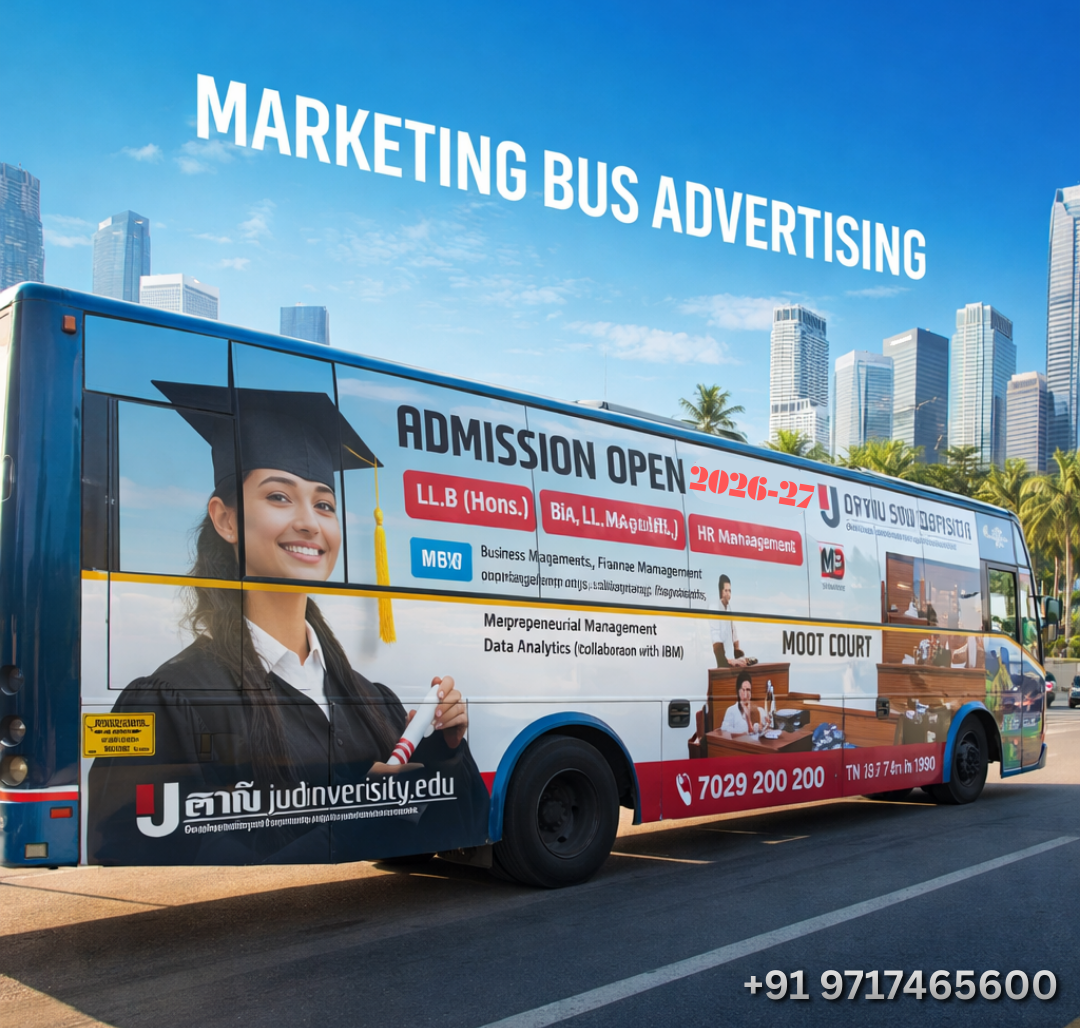


Litoust India as discussed has been in the Indian market for the past 8+ years and we have gone from success to success in this short period of time. We do Marketing and PR for our clients, but we work with the responsibility of being their business partners.
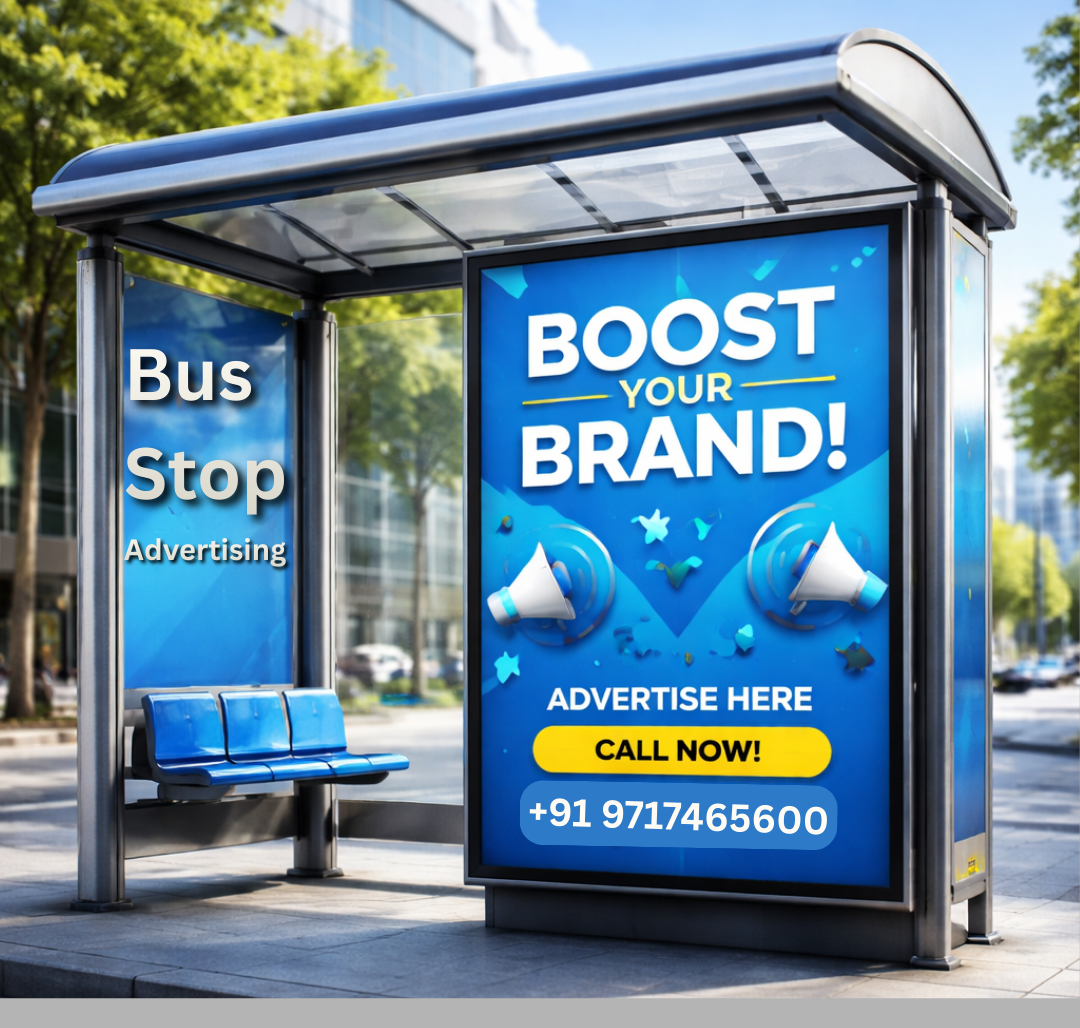
In a country as dynamic and fast-moving as India, brands are constantly looking for advertising formats that are visible, affordable, and impactful. While digital marketing continues to grow, outdoor advertising still holds a powerful place, especially in urban landscapes. Among all outdoor formats, bus stop advertising has emerged as one of the most effective mediums for both local and national brands.
From crowded metro cities to fast-developing tier-2 and tier-3 towns, bus stops are no longer just waiting points, they are high-attention zones. Let’s explore why bus stop advertising works so well in Indian cities and why brands are increasingly trusting it to drive real visibility and recall.
Indian cities run on public transport. Millions of people use buses daily for work, education, and daily errands. A commuter may pass the same bus stop twice a day, five days a week. This repeated exposure creates natural brand familiarity without forcing attention.
Unlike digital ads that can be skipped or blocked, bus stop advertising stays visible, silently reinforcing your brand message every single day. Over time, this repetition builds trust and recall, two key factors in influencing buying decisions.
Bus stops are strategically placed on busy roads, marketplaces, office zones, residential areas, and educational hubs. This ensures that your advertisement is seen not only by commuters but also by pedestrians, motorists, cyclists, and shop visitors.
For national brands, this offers mass reach. For local brands, it ensures hyper-local visibility exactly where customers live, work, and travel. Few advertising formats offer this balance so efficiently.
People waiting at bus stops usually have idle time, anywhere between 2 to 15 minutes. During this waiting period, they naturally observe their surroundings. This makes bus stops a captive advertising environment.
Unlike hoardings that are seen for just a few seconds while driving, bus stop advertising allows viewers to read, understand, and remember your message. Simple visuals, strong headlines, and clear branding work exceptionally well in this format.
One of the biggest advantages of bus stop advertising in India is its cost efficiency. Compared to large billboards or TV campaigns, bus shelters offer premium exposure at a relatively lower cost.
This flexibility makes bus stop advertising a smart investment with measurable visibility.
Indian consumers trust brands they see around them regularly. A brand displayed at a bus stop feels familiar, established, and local, even if it’s a national or multinational company.
For regional businesses, hospitals, real estate projects, retail stores, and educational institutions, bus stop advertising helps build community-level credibility. It signals that the brand is present, active, and invested in the local market.
Bus stop advertising doesn’t compete with digital - it complements it. A consumer might see your brand on a bus stop in the morning and later encounter it on social media or Google. This multi-touch exposure significantly improves conversion chances.
Many Indian brands now use bus stop advertising to:
The result is a well-rounded brand presence across platforms.
While short-term digital ads focus on clicks and conversions, bus stop advertising plays a strong role in long-term brand positioning. Continuous presence in prominent city locations makes a brand look stable, reliable, and serious.
This is particularly valuable in competitive Indian markets where trust often determines purchase decisions.
In Indian cities where movement never stops, bus stop advertising remains one of the most powerful and practical outdoor advertising tools. Its ability to deliver repeated visibility, local relevance, cost efficiency, and strong recall makes it ideal for brands of all sizes.
At Litoust India, we understand how strategic placement, creative design, and location planning can turn a simple bus stop into a high-impact branding asset. When executed thoughtfully, bus stop advertising doesn’t just display a message it builds presence, trust, and long-lasting brand value.